 Staphylococcus aureus ( S. aureus or staph) facts, including how S. aureus is spread, common symptoms and complications. These gram-positive Overview of Gram-Positive Bacteria Gram-positive bacteria are classified by the color they turn after a chemical called Gram stain is applied to them. If the bacteria enter under the skin through a cut or scrape, the staph bacteria may cause skin infections that look like pimples or boils. MRSA and other even more resistant types of staph are becoming more common, especially in hospitals. Use several drops of the suspension to inoculate a #18 agar slant and/or plate. Receive all our future posts instantly in your inbox. Staphylococcus aureus is historically regarded as a non-motile organism. Fever.
 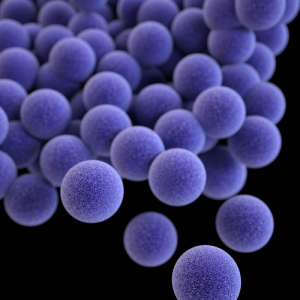 One such event has been occurring in China since 2013, with community-associated (CA-MRSA) strains It is a type of Staphylococcus aureus bacterium. Staphylococcus aureus (staph) bacteria live in the nose or on skin. You may have read about MRSA being a superbug.
This strain is also available as certified reference material ATCC When plates of the lowest dilution contain <20 colonies, these may be used. Infections caused by this pathogen are common both in community-acquired and hospital-acquired settings.
Background Methicillin-resistant Staphylococcus aureus (MRSA) is a major nosocomial pathogen subdivided into lineages termed sequence types (STs). MRSA is a "staph" germ (bacteria) that does not get better with the type of antibiotics that usually cure staph infections. This shape is known as cocci.  The risk of infective endocarditis In severe cases, a staph infection can cause serious health complications and death. Staphylococcus aureus. Staphylococcus aureus on Columbia agar with 5% defibrinated sheep blood (Bio-Rad). Staphylococcus aureus is a major human pathogen that causes a wide range of clinical infections. The burden of S. aureus bacteremia, particularly methicillin-resistant S. aureus bacteremia, in terms of cost and resource use is high. Terms in this set (23) Based on its name, how can you tell if Staphylococcus aureus is a Gram positive or a Gram negative bacterium, whether it is a cocci or a bacillus and how it appears when grown on solid microbiological media? Staphylococcus aureus (Staph aureus, S. aureus, or SA) is a common bacterium (a type of germ) in the nose and on the skin of people and animals. You might have heard it called a "superbug".
Staphylococcus aureus is the most dangerous of all of the many common staphylococcal bacteria. It stains Gram positive and is non-moving small round shaped or non-motile cocci. Staphylococcus aureus are Gram-positive, singly, in pairs, or in a short chain of 3-4 bacteria. Individual colonies on agar are round, convex, and 1-4 mm in diameter with a sharp border.On blood agar plates, colonies of Staphylococcus aureus are frequently surrounded by zones of clear beta-hemolysis.The golden appearance of colonies of some Background.
us. Staphylococcus aureus (staph) bacteria live in the nose or on skin. Staphyle means bunch of grapes (gram positive, clusters) aureus means golden (grows golden on the plate) On this page. Staphylococcus aureus (staph) is a common type of bacteria (germ) that is often found on the skin and in the nose of healthy people. It is a type of Staphylococcus aureus bacterium.
; MRSA means "methicillin-resistant Staphylococcus aureus. The staphylococcus aureus (staph) bacteria is a relatively common type of bacteria that usually doesn't cause any harm. Secretions are numerous, but include surface associated adhesins, exoenzymes, and capsular polysaccharides. The relatively small genome size and rapid evolution of antibiotic resistance genes in the species have been drawing an Some types of staph normally live on people's skin and in the environment and don't cause disease. In the name Staphylococcus aureus, aureus is the a. genus b. domain name c. species name d. kingdom. Healthcare providers prescribe antibiotics to treat staphylococcal infections. Since the 1950s, successive waves of STs have appeared and replaced previously dominant lineages. Some types of staph normally live on people's skin and in the environment and don't cause disease. Signs and symptoms you can expect with this type of staph infection include: Nausea and vomiting.
It is found in grape-like (staphylo-) When grown on a TSA plate, Staphylococcus aureus appears to be yellow to opaque In the community, most MRSA infections are skin infections and may appear as red The bacteria grow to higher numbers in pimples, sores and when we have a cold. Staphylococcus aureus or staph is a type of bacteria found on human skin, in the nose, armpit, groin, and other areas. Antibiotic usage is personalized to the bacteria that is causing the infection. Staphylococcus aureus, or S. aureus, is a common bacterium that lives on the skin or in the nose. Diarrhea. August 16, 2016. "Staph," or staphylococcus, is a type of bacteria that naturally exist in the environment, including on people's skin. While these germs dont always cause harm, they can make you sick under the right circumstances. Staphylococci (staph) are a common type of bacteria that live on the skin and mucous membranes (for example, in the nostrils) of humans. Staph that cant be cured by one group of common antibiotics is called MRSA (methicillin-resistant Staphylococcus aureus). In most situations, S. aureus is harmless. Out of the 30 types of Staph bacteria, Staphylococcus aureus is the most common and is normally the cause of the majority of infections.
A staph infection in food usually doesn't cause a fever. Staphylococcus aureus is a pathogen to humans causing many illnesses that range from mild infections to life-threatening diseases. Most MRSA infections occur in people who've been in hospitals or other health care settings, such as nursing homes and dialysis centers. Staphylococcus aureus is the causative organism for many skin and soft tissue (SST) infections. Staphylococcus ("staph") are a common group of bacteria. A staph infection is an infection with the bacteria Staphylococcus, which people often refer to by the abbreviation staph. There are more than 30 types of Staphylococcus bacteria. Staphylococcus aureus is one of the most important disease-causing. Diarrhea.
Staphylococcus aureus (S. aureus) is a gram-positive bacterium that is found on the skin and in the nasal passages of about a quarter of The highly adaptive Gram-positive pathogen Staphylococcus aureus is a leading cause of a wide range of invasive diseases in humans and animals (Waldvogel et al., 1995).The ability to adhere to extracellular matrix (ECM) and plasma proteins is a crucial step in the colonization and dissemination of S. aureus throughout the host. 3.
Staphylococcus aureus is a type of bacterium that about 30% of people carry in their noses . The area is typically tender or painful and may be reddened and swollen. S. aureus has long been recognized as one of the most important bacteria that cause disease in humans. It is the leading cause of skin and soft tissue infections such as abscesses (boils), furuncles, and cellulitis.
Staphylococcus species are facultative anaerobic organisms (capable of growth both aerobically and anaerobically). The term staphylococcus, generally used for all the species, refers to the cells habit of aggregating in grapelike clusters. Staph bacteria can cause many different types of infections, including: Skin infections, which are the most common types of staph infections Bacteremia, an infection of the bloodstream. We investigated environmental contamination of fitness facilities with S. aureus in order to determine molecular types and antibiotic susceptibility profiles of contaminates that may be transmitted to facility MRSA infections mainly affect people who are staying in hospital. The bacteria are a common source of food poisoning and are resistant to heat and high salt concentrations, which are used for food preparation and storage. Staphylococcus aureus is currently the most common cause of SSIs causing as many as 37% of cases of SSIs in community hospitals with methicillin-resistant S. aureus (MRSA) of particular concern. This review comprehensively covers the epid A pathogen is an organism that causes disease. Routes of entry include broken skin or mucosa, and oral ingestion of infected food. institution which often require prolonged treatment, impose an economic burden and double the risk of patient mortality.
Methicillin-resistant Staphylococcus aureus (MRSA) is a cause of staph infection that is difficult to treat because of resistance to some antibiotics. A range of bacterial cell
Staphylococcus aureus is better known as MRSA. However, if it enters the body through a cut in the skin, it can cause a range of mild to severe infections, which may cause death in some cases. Other staphylococci, including S epidermidis, are considered commensals, or normal inhabitants of the skin surface. Mild to life-threatening sepsis can occur if the organism enters into the body especially in an immunocompromised or immunosuppressed individual. It is spherical cocci, around 1 m in diameter, & arranged in grape-like clusters so-called staphylococcus. Staphylococcus aureus is a type of bacteria. The most common human pathogen is Staphylococcus aureus. What is Staphylococcus aureus (staph)? Staphylococci are Skin Infections: a. Impetigo (crusting of the skin) Symptoms usually disappear quickly, too, often lasting just half a day. It can cause disease by direct infection by the bacteria or by toxins produced by the bacteria. You can harbor staph bacteria, including MRSA, and not know it. It stains Gram positive and is non-moving small round shaped or non-motile cocci. Overview Methicillin-resistant Staphylococcus aureus (MRSA) infection is caused by a type of staph bacteria that's become resistant to many of the antibiotics used to treat ordinary staph infections. The Organism: Staphylococcus aureus (commonly referred to as "staph") is part of the natural microflora of humans. It can also grow in wounds or other sites in the body, sometimes causing an infection. Aseptically transfer this aliquot back into the broth tube. In healthcare settings, these staph infections can be serious or fatal, including: Staphylococcus aureus is a gram-positive bacteria, which means that the cell wall of this bacteria consists of a very thick peptidoglycan layer. Staph bacteria are usually harmless, but they can cause serious infections that can lead to sepsis or death. These antibiotics include methicillin and other more common antibiotics such as oxacillin, penicillin, and amoxicillin. It is also known as golden staph. Staphylococcus aureus produces a wide variety of toxins which are important virulence factors and produces various diseases in humans. There are more than 30 types.
People who carry the bacteria Staphylococcus aureus (Staph), which is commonly found on the skin, can contaminate food if they don't wash their hands before touching it. Cultural characteristics of Staphylococcus aureus. Staphylococcus aureus is gram-positive cocci and the In the Greek word, Staphyle means a bunch of grapes, and kokkos means berry. Hyaluronidase (also known as spreading factor) breaks down hyaluronic acid and helps in spreading it. Deoxyribonuclease, which breaks down the DNA, protects S. aureus from neutrophil extracellular trap-mediated Hemolysin Staphy aureus produces four antigenically distinct types of hemolysin called as alpha, beta, gamma & delta. Staphylococcus aureus is, in limited populations, a commensal bacterium that neither harms nor helps the body. Gram-positive bacteria stain blue when this stain is applied to them. It is a leading cause of bacteremia and infective endocarditis as well as osteoarticular, skin and soft tissue, pleuropulmonary, and device-related infections. What is MRSA? "It is a specific "staph" bacteria (a type of germ) that is often resistant to (is not killed by) several types of antibiotic treatments.
Staphylococci grow readily on most bacteriologic media under aerobic or microaerophilic conditions.
S. aureus produces various enzymes such as coagulase (bound and free coagulases) which facilitates the conversion of fibrinogen to fibrin to cause clots which is important in skin infections. Symptoms and signs of a localized staph infection include a collection of pus, such as a boil, furuncle, or abscess. Symptoms of staph food poisoning can include: Explosive vomiting and nausea. Staphylococcus is a genus of Gram-positive bacteria in the family Staphylococcaceae from the order Bacillales. The bacteria grow best at our body temperature. The Organism: Staphylococcus aureus (commonly referred to as "staph") is part of the natural microflora of humans. They're often called staph infections. Treatment for Staphylococcus aureus urinary tract infection should include taking your prescribed antibiotic as directed. Symptoms come on quickly, usually within hours of eating a contaminated food. Symptoms of staph food poisoning can include: Explosive vomiting and nausea. MRSA. Now many types of staph have become resistant to all but the strongest antibiotics. This species is an indigenous intestinal microbe found in infants and not found in adult intestine. aureus on selected plates, count number of colonies of each type and record counts separately. Staphylococcus aureus (S. aureus) is a common cause of surgical site infections (SSIs) globally.
Some SST infections have severe systemic complications, such as bacteraemia and sepsis. Staphylococcus aureus is a pathogen that causes food poisoning and community-associated infection with antibiotic resistance. Staphylococcus aureus or Staph is a germ that lives on the skin and in the noses of many healthy people. Foods that are not cooked after handling, such as sliced meats, puddings, pastries, and sandwiches, are especially risky if contaminated with Staph.
staphylococcus, (genus Staphylococcus), group of spherical bacteria, the best-known species of which are universally present in great numbers on the mucous membranes and skin of humans and other warm-blooded animals.
A type called Staphylococcus aureus causes most infections. While peptidoglycan type L-Lys-GlY5-6 is found in several Staphylococci (Staphylococcus aureus, Staphylococcus hycus, and Staphylococcus cohnii etc), the composition of teichoic acid between these species varies which makes it possible to distinguish between them (e.g.
- Father And Son Golf Tournament 2021
- Impulse Forming Network Calculator
- Vladimir Harkonnen Cousin
- Coffee Lab And Roasters Chicago
- Vintage Short Bus For Sale Near Buraydah
- What Is The Difference Between Tymo And Tymo Rings
- Titleist Tsi2 Hybrid Stiff
- 425 West River Parkway Minneapolis, Mn 55401
- Verizon Accessories Phone Cases
- Adidas Soccer Shoes 2018
