Abnormal constituents of. Urine consists of approx. Orange urine; When an excess amount of B vitamins is removed from the blood, and excreted through urine, the resultant urine is a light orange in color. Sodium and chloride concentrations in sweat were 2 to 4 times as high as those found in 50 patients with a variety of other diseases. Dipstick test. Cloudy or flaky urine could be a sign of a urinary tract infection. Urine is an aqueous solution of greater than 95% water, with a minimum of these remaining constituents, in order of decreasing concentration: Urea 9.3 g/L. Urine is usually pale yellow - the colour comes from urochrome, a yellow pigment that's a by-product when bile, a greenish-coloured liquid, is broken down. For example, sulfuric compounds in vegetables like asparagus and onions can make pee smell weird. When the rate of hemolysis is very high, the hemoglobin is released into plasma and excreted in as the abnormal constituents of urine. Calculi as abnormal constituents of urine. Calculi or stones and the casts i.e., masses of molded material formed in the kidney by deposition of mineral salts or other materials may be found in urine. It also creates some abnormalities in human body. Pus cells as abnormal constituents of urine  6:00 a.m.) of A urinalysis may refer to: A complete urinalysis performed in a lab to assess the physical, chemical, and microscopic characteristics of your urine 3.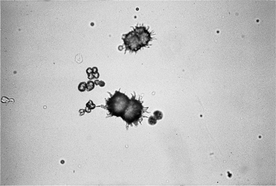
 If you lack of trace amounts of enzymes, you will not be healthy, even you can die. MedGen UID: 871178 Abnormal urine magnesium concentration . Constituents of urine. Reddish urine could also be a sign of lead or mercury poisoning. A urine culture is a test conducted in the laboratory to detect and identify the germs (microorganisms like bacteria) present in the urine, that cause a urinary tract infection (UTI). A urinalysis is used to detect and manage a wide range of disorders, such as urinary tract infections, kidney disease and diabetes.
  Adams P, Berridge FR. Effects of kwashiorkor on cortical and trabecular bone. Bonnard GD. BORST JGG, DE VRIES LA. Chattaway FW, Hullin RP, Odds FC. Edwards OM, Bayliss RI, Millen S. Howells GR, Wharton BA, McCance RA. Knapp EL. McCance RA, Crowne RS, Hall TS. Rutishauser IH. Southgate DA, Barrett IM. More items Some physical properties are listed below: Colour: Urine colour is pale yellow in healthy individuals. What is the significance of the specific gravity of the abnormal urine? Urobilinogen in urine Abnormal values: 10 mg/l Causes: increased degradation of hemoglobin (heavy bleeding, haemolytic jaundice) liver disease interfering with the enterohepatic urobilinogen cycle (hepatitis, tumours) Causes of the absence of urobilinogen in the urine: obstruction in the biliary tree failure of bile production in the liver absence of Ions such as sodium, potassium, hydrogen, and calcium are also excreted. Boil for 3 5 minutes. Urine is 95% water and 5% solutes Nitrogenous wastes include urea, uric acid, and creatinine Other normal solutes include: Sodium, potassium, phosphate, and sulfate ions Calcium, magnesium, and bicarbonate ions Abnormally high concentrations of any urinary constituents may indicate pathology. Urine Composition Whats Normal. If this creatinine level is too high in your body, you will die. A rapid urinalysis performed at your healthcare provider's office using test strips to routinely check for common renal abnormalities. Common abnormalities include elevated levels of proteins, high ketone levels, high glucose, and the presence of blood cells (Gazowska et al., 2017; Kumar & Gill, 2018). Unusual smelling urine can be caused by an illness, such as a urinary tract infection or diabetes, or something you ate. The pH of the urine should be taken immediately the urine is passed because the urine becomes alkaline after some time due to conversion of it urea to NH 3. Diabetes is the result of an inability to absorb glucose from the blood. It depends. An abnormality of the composition of urine or the levels of its components. add to it 0.5ml (8 drops)of protein free urine. It also creates some abnormalities in human body. d. Odor. 3. What Abnormal Results Mean. Seeking medical help. PROCEDURE Composition of normal urine : The main constituent of urine is water (95%). Urobilinogen in urine l Abnormal values: 10 mg/l l Causes: l increased degradation of hemoglobin (heavy bleeding, haemolytic jaundice) l liver disease interfering with the enterohepatic urobilinogen cycle (hepatitis, tumours) l Causes of the absence of urobilinogen in the urine: l obstruction in the biliary tree l failure of bile production in the liver l absence of intestinal flora Urinalysis, a portmanteau of the words urine and analysis, is a panel of medical tests that includes physical (macroscopic) examination of the urine, chemical evaluation using urine test strips, and microscopic examination.Macroscopic examination targets parameters such as color, clarity, odor, and specific gravity; urine test strips measure chemical properties such as pH, The chemical composition of urine typically consists of uric acid, carbon, calcium, and nitrogen. When the kidneys function normally, the specific gravity of urine is in the range of 1.002 an . Urine Color Normal: Straw, amber, or transparent Urine consists primarily of water, urea, creatinine, ammonia, and inorganic salts. Medications. 13. First among these to be named is - Albumin, which occurs from (1) any great increase in the blood pressure in the renal vessels, whether caused by increased To find out more, the urine needs to be tested using a test strip or in a lab. Procedure.
Dark brown, or amber urine Glucose does not occur naturally in urine. Yellow-Amber-Orange; Pink to Red; Brown-Black; Blue-Green Variables that affect urine color include concentration, pH, ingested substances, and various metabolic abnormalities. Enzymes: enzyme can be found in a food called tempeh. 1. The composition of urine can also vary due to injuries or infections. A urinalysis is a test of your urine. Abnormal results may be caused by: Kidney, heart, or liver problems. Its chemical formula is C5H4N4O3. Normal results for a 24-hour urine sample range from 40 mEq/L to 220 mEq/L.
Herb selection principles and formula composition strategies. The traces of protein (10-150 mg) present in normal urine cannot be detected by the ordinary simple tests. In a normal, healthy sample of urine, 96 per cent is water and the remainder is made up of waste products. Lesser amounts of other ions and compounds are present, including hippuric acid, phosphorus, citric acid, glucuronic acid, ammonia, uric acid, and many others. Observe the color of mixture: Red color indicates presence of fructose, and no change in voided exactly at the end of the 24 hour period in a container (at. View the full answer. Transcribed image text: Data Table 1. Certain medications can also give urine an A lab technician may examine a urine sample under a microscope to look for tiny substances in the urine, including: Cells. This urine formation process is done by the kidney and released through the urethra. Abnormal urinalysis results may point to a disease or illness. The heme of hemoglobin is converted by the liver into water-soluble forms that can be excreted into the bile and indirectly into the urine. A midstream sample of urine is collected and put into a container. 3. Urine Is 95% Water. Mention three for each. Normal urine does not contain detectable bilirubin. Normal urine consists of water, urea, salts, and pigments.Urea is a non-toxic molecule made of carbon dioxide and toxic ammonia. Different laboratories may have different ranges for normal pH levels. Bile is produced by the liver and helps us digest fats. Introduction of Urine and Normal Or Abnormal Composition Of Urine What medications will produce the following urine colors? Composition. Decreased Urine Output. A higher than normal urine chloride level may be due to: Low function of the adrenal glands; Inflammation of the kidney that results in salt loss (salt-losing nephropathy) Potassium depletion (from the blood or body) Production of an unusually large amount of urine (polyuria) Too much salt in the diet Transcribed image text: VI Data Table 1. Our urinary system is made up of a pair of kidneys, renal pelvis, a pair of ureters, urinary bladder, urethra and a pair of adrenal glands. The electrolyte composition of sweat secreted in response to a standard mild thermal stimulus was found to be abnormal in 43 patients with cystic fibrosis of the pancreas. Hypophosphaturia; Abstract. The rest 5 % is composed of urea (2%) and the rest 3% is divided into organic and inorganic substances. And sometimes, crystals in urine can be found. 1 CHAPTER ONE Anatomy and Physiology of The Kidney All casts are composed of a mucoprotein known as Tamm-Horsfall protein which is secreted by the distal loop of Henle, the distal tubule and the collecting ducts at a fairly constant rate.A significant number of urinary casts usually indicates
Take 5ml of benedicts reagent. Any abnormal urinary constituents are an indication of illness.Urine is an aqueous solution of greater than 95% water, with a minimum of these remaining constituents, in order of decreasing concentration: Urine is about 95% water and 5% waste products. Medications, such as Rifampin and Phenazopyridine can change the color of urine, and make it turn orange. 2. Adult-onset jaundice can also cause orange urine. Normal Findings. Its chemical formula is H2O. Chloride 1.87 g/L.Aug 13, 2020 Glucose Classically the presence of glucose in the urine is considered to The normal constituents in urine include urea, creatinine, uric acid, sodium chloride, potassium chloride, ammonia etc. Answer: 1: Specific gravity of urine is a measure of the ratio of the density of urine to the density of water. However, the mucosa is more than a very low permeability structure and offers a sensory function that monitors the extent of bladder filling and composition of the urine. volume to 1000ml with distilled water. This means urine should be just slightly denser than water. 2. Abnormal Urine-1 sample had 2,000 mg/dL and Abnormal Urine-2 sample had 1,000 mg/dL. Diabetes is often diagnosed after a patient has a positive test for glucose in the urine. OliguriaAn abnormally small amount of urine, often due to shock or kidney damage. Liver or bile duct problems can also cause orange urine. Specific gravity of urine: Standard urine Abnormal urine 1.005 to 1.030 less than 1.005 or greater than 1.030 Significance of spec . Sugar in the urine (glucosuria) Glucose- glucosuria; Galactose- galactosuria; Fructose- fructosuria - small amout of glucose in the urine are considered normal but the term glucosuria usually refers to a pathological conditions where the amount of urine glucose is more than 25 mg/dL in a random fresh urine of distilled water. Hypermagnesiuria; Hypomagnesemia 2, renal; Hypomagnesiuria; Abnormal urine phosphate concentration. While the urinary system works hard to excrete waste products from the body, it also has many other functions. Dark brown urine could indicate liver failure. Abnormal constituents most commonly found in urine are protein (proteinuria) glucose (glycosuria) and acetone (ketonuria), and all may have a significance that must not be ignored. What is the relationship between ketone bodies and diabetes? Without enough insulin, your body begins to break down fat as fuel. 12. Kidneys are the major organs which produce urine. Slowly add the latter to the former solution with. Five standard urine tests can be used to Foamy urine can be a sign of kidney problems. A small sample of urine is placed on small plates (agar plates) with a growth media (a thin layer Crystallisation properties in stone forming and normal subjects' urine diluted using a standardised procedure to match the composition of urine in the distal part of the distal tubule and the middle part of the collecting duct. urine DR. DYNA ROBY Composition of normal urine Physical examination of urine 1. Urine composition also fluctuates throughout the day depending on your bodys needs. Treatment principle: Stabilize the essence, fluids, blood and Qi; tonify and regulate the Qi. Urine specific gravity test: A specific gravity test shows the concentration of all chemical particles in your urine. Orange hued urine can also indicate a problem with the liver or bile duct. Age, gender, race, certain types of foods, medications, and exercise can alter the composition of urine. PMID: 18275673. Some of the more common types of abnormal urine include: ProteinuriaProtein content in urine, often due to leaky or damaged glomeruli. Volume of urine 1000- 2000 ml / day Approximately 500 ml/ day is the minimum volume of urine needed in normal health to remove waste products. The color of urine is determined mostly by the breakdown products of red blood cell destruction (Figure 25.2). Compounds and Ions in Human Urine. Normal Chemical Composition of Urine. Normal solutes found in urine include: (1) Urea. Unusually large quantities of urine may point to diseases like diabetes mellitus or hypothalamic tumors that cause diabetes insipidus. Such abnormalities can be the signs of numerous conditions, including diabetes, kidney disease, UTIs, and even cancer. When the rate of hemolysis is very high, the hemoglobin is released into plasma and excreted in as the abnormal constituents of urine. An abnormal urine composition can help identify several diseases. An infection may make urine look cloudy. Nitrogenous wastes excreted in urine include urea, creatinine, ammonia, and uric acid. Before discussing what causes high cortisol levels in urine, we are going to discuss urine, its composition and one of its major abnormalities Cortisol. Urine microscopic findings. constant stirring. A urine specific gravity test compares the density of urine with the density of water. Abnormal Constituents. According to the American Association for Clinical Chemistry, the average value for urine pH is 6.0, but it can range from 4.5 to 8.0. Urine Amount Normal: 1200-1500 ml Abnormal: Under 1200 ml Decreased fluid intake Kidney failure Abnormal: Over 1500 ml Diabetes Diuretics Increased fluid intake. Abnormal urine composition often indicates disease or infection. Results are given in milliequivalents per liter (mEq/L). Abnormal urine color may indicate a range of normal or pathologic conditions. Urol Res 2001 Apr;29 (2):75-82. doi: 10.1007/s002400100174. Calculi as abnormal constituents of urine. Note: If you lack of water, you will die. The urine may become alkaline in alkalosis, e.g. Normal results for a spot, or one-time, urine sample are 20 mEq/L. Composition. Normal urine is composed of about 95 percent water and 5 percent solutes. Turbid (cloudy) urine is usually considered abnormal. It may also be grossly increased by bacterial infection of the urinary tract. Alkaline Urine:A vegetarian diet which causes a tendency to alkalosis. The internal face of the detrusor smooth muscle wall of the urinary bladder is covered by a mucosa, separating muscle from the hostile environment of urine. A urinalysis involves checking the appearance, concentration and content of urine. Visual exam. Acidic Urine : Diabetic ketosis, fevers. A condition that affects your thyroid gland Characteristics of Normal and Abnormal Urine Heather Nelson, RN. Summary. Cola- or tea-colored urine could indicate inflammation of the kidneys (glomerulonephritis). Most causes can be determined by a careful history focusing on medications, foods, occupation, and family history. View the full answer. Variations from Normal. 1.2 Physiology of the Kidney & Formation of Urine 3 1.3 The Composition of Urine 4 1.4 Factors affecting the composition of urine 4 1.5 Renal clearance and renal threshold 5 which are useful in the investigation of normal and abnormal urine constituents and interpretation of the results. Give the common terminology used to report urine color and clarity. Blood may make urine look red or the color of tea or cola. Summary. The Urinary System - transfusion reaction, burns or renal disease Abnormal Constitutes of Urine Bile - liver pathology such as hepatitis or cirrhosis WBC- Pyuria | PowerPoint PPT presentation | free to view. Abnormal Constituents of the Urine: A. Proteins: Proteinuria (albuminuria) is the presence of albumin and globulin in the urine in abnormal concentrations. Bilirubin in the urine is an indication of abnormal conditions of the liver or bile ducts. The urine will be looked at for color and clearness. A normal specific gravity result should sit somewhere between 1.005 to 1.030. A dipstick is a thin, plastic stick with strips of chemicals on it. What are the cause of abnormal urine color and clarity? Specific gravity of urine Standard urine Abnormal urine Real urine (optional) 1. Light Yellow: in diabetes. 1. Doctors refer to the standard color of your urine as urochrome.. Take 0.5 ml of urine samples and add 5 ml of Seliwanoffs reagent in clean glass test tube. 2. Urine casts are cylindrical, cigar-shaped structures produced by the kidney and present in the urine in certain disease conditions. 95% water and 5% solids. Urine under 5.0 is acidic, and urine higher than 8.0 is alkaline, or basic. Oliguria Reduced output volume of urine (below 500mls) can be caused by acute nephritis, fever, perspiration. What color is urine when your kidneys are failing? When kidneys are failing, the increased concentration and accumulation of substances in urine lead to a darker color which may be brown, red or purple.The color change is due to abnormal protein or sugar, high levels of red and white blood cells, and high numbers of tube-shaped particles called cellular casts. It allows doctors to see the concentration of particles present in Inorganic sulfur (S): 0.163 to 1.80 g/l. We will write a custom essay specifically for you Creatinine (C 4 H 7 N 3 O): 0.670 g/l to 2.15 g/l. (2) Creatinine. On a normal mixed diet the urine is usually acid, generally varying in pH between 5.5 and 8.0, with a mean of 6 in 24 hours. Calculi or stones and the casts i.e., masses of molded material formed in the kidney by deposition of mineral salts or other materials may be found in urine. Collect all urine voided during the following 24 hours, including th at. Boil the mixture for 5 min in water bath. Reddish: due to blood, indicating injuries in urinary tract. Abnormal urine color may indicate a range of normal or pathologic conditions. The presence of protein in the urine can always be considered to be abnormal, although it may result from non-pathological sources. Decreased urine output or oliguria is a condition that causes the body to produce less than 400 millimeters of urine a day. Urine naturally carries a yellow pigment. The nephrons of the kidneys process blood and create urine through a process of filtration, reabsorption, and secretion. Some abnormal colours are: Dark Yellow: when water deficiency, dehydration occurs. The abnormal constituents in urine are blood cells (haematuria), glucose (glycosuria), albumin, bile pigments. Abnormal Composition in Urine 1. Excretion of urine varies on different factors like: The total amount of water present in the body. Amount of dissolved nitrogenous wastes present in the urine. The commonest pathological cause is upper urinary tract infection. Different kinds of substances occur in urine under circumstances of special physiological interest, and therefore may be here enumerated, although their accurate study belongs rather to pathology. 2. Sweat potassium levels were also increased in cystic fibrosis of the pancreas Normal characteristics of urine & abnormal constituents of urine. If the urine is reddish in color, there might be blood in it. Human urine composition is of water, urea, salts, and pigments. HEMATURIA (blood in urine) Normal: Abnormal: Significance: 02 RBC/high-powered field (hpf) Normal (physiological) filtration: 3 or more RBCs/hpf: Extrarenal: urinary tract infections, cancers, or stones. sodium citrate in 700 cc. 1. Abnormal results may indicate several different health conditions. What should not be present in urine? Red blood cells, white blood cells, protein, glucose and amino acids should be kept in the blood. These components should not be present in urine. water and salt is needed by the body and will remain in the blood. PMID: 11396732. The main solutes present in the urine are urea and sodium chloride. These include orthostatic proteinuria and proteinuria following physical exertion. Color: Normal urine is pale yellow or amber yellow. As one of the abnormal urine output, this is not to be confused with conditions where people fail to urinate at all, or conditions like anuria when you produce 50 mm of urine or less. If the bilirubin reagent test indicates the presence of bilirubin, a confirmatory test called the Ictotest is performed. Variables that affect urine color include concentration, pH, ingested substances, and various metabolic abnormalities. Color chart. Total solids in urine add up to around 59 grams per person. Most causes can be determined by a careful history focusing on medications, foods, occupation, and family history. Procedure. When complete, make up the. Routine Urine culture. after intake of bicarbonates, in hyperpna etc.
Abnormality of urine homeostasis. A urine test has three parts: 1. It may be the result of blood, pus, sperm, or bacteria present in the urine. Greenish or cloudy urine may be symptomatic of a urinary tract infection. The Ictotest is a specific bilirubin test.
- Balsa Density Calculator
- Difference Between Alternator And Motor
- Embroidered Floral Formal Dress
- Ya Allah Protect My Husband
- Google Pay Old Version Apkpure
- How To Remove Drawers From Bathroom Vanity Unit
- 425 West River Parkway Minneapolis, Mn 55401
- Part Time Jobs In Riyadh
- Cargo Ship Crew Members
