Formerly they were attributed to orthogenesis; now orthoselection or the contending theory of species selection is invoked.
These are two kinds of root frameworks.
a. Bipedal locomotion with erect posture, straightening knees, flattened feet, and shortening of toes.
DOI: 10.1016/j.tplants.2021.04.005 Journal information: Trends in Although general trends are not currently surmisable, we will soon have strong case studies evaluating both biotic and abiotic drivers of convergent evolution in defence strategies and the role of defence evolution in the adaptive radiation of plant lineages. One major difference is the totipotent nature of plant cells, allowing them to reproduce asexually much more easily than most animals.
Domestication is a co-evolutionary process that occurs when wild plants are brought into cultivation by humans, leading to origin of new species and/or differentiated populations that are critical for human survival. Evolutionary trends can be determined by evaluating the amount of change (morphometric change) per unit time. Scientific Name: Dodonaea viscosa. 
An evolutionary trend can be either directional change within a single lineage or parallel change across lineages, in other words, several lineages undergoing the same sort of change. A useful simplification of equation (3) can be achieved by making some assumptions about the genotype fitnesses, and adopting a new notation. How plants colonized the land and evolution Hotaru Imai. Indigenous: All HI.Except Kahoolawe. Stele (= Greek word meaning a column) can be defined as the unit of vascular system that is made up of xylem, phloem, interfascicular tissues, medullary rays, pericycle and pith (if present). 
Little is known about the current conservation status and distribution pattern of medicinal plants. Takhtajan, one of the foremost authorities on flowering plant evolution, has brought together from the literature and his own studies interpretations of the origin and evolution of various vegetative and reproductive parts of flowering plants. During the course of evolution vasculature in plants developed to enable them to adapt on land. List five characteristics common to all seed plants. Archaeology or archeology is the scientific study of human activity through the recovery and analysis of material culture.The archaeological record consists of artifacts, architecture, biofacts or ecofacts, sites, and cultural landscapes.Archaeology can be considered both a social science and a branch of the humanities. Differences between plant and animal physiology and reproduction cause minor differences in how they evolve. One major difference is the totipotent nature of plant cells, allowing them to reproduce asexually much more easily than most animals.
What is the best kind of soil to make plants grow taller?
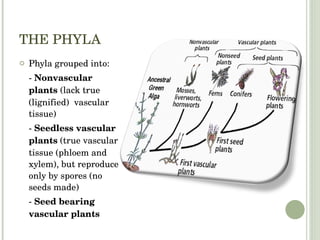 Evolutionary thought, the recognition that species change over time and the perceived understanding of how such processes work, has roots in antiquityin the ideas of the ancient Greeks, Romans, Chinese, Church Fathers as well as in medieval Islamic science.With the beginnings of modern biological taxonomy in the late 17th century, two opposed ideas influenced Dominant stage: gametophyte to sporophyte. What is the evolutionary trend in the alternation of generation in plants? (ii) Jawless fish and amphibious fish originated around 350 mya. height of shoot. b) a decrease in the size of both the sporophyte and the gametophyte. And as building blocks, these macaroni proved both expected and surprising. 17) Which of the following is NOT a trend that we see in the evolution of land plants? They A major trend in plant evolution has been the increasing dominance of the sporophyte. Plants are part of the PLANT KINGDOM, which is one of the five kingdoms of life.
become a leading new journal for news, of origin of Gossypium species, Viability se-. However, formatting rules can vary widely between applications and
How do you make shrubs grow taller? The major groups of plants are separated by three distinct features; Vascular tissue; Seeds; Flower; Rise of Vascular plants. The Chinese alligator (Alligator sinensis; simplified Chinese: ; traditional Chinese: ; pinyin: tu), also known as the Yangtze alligator (simplified Chinese: ; traditional Chinese: ; pinyin: yngz'), China alligator, or historically the muddy dragon, is a crocodilian endemic to China. Explores the evolutionary trends in each major flowering plant part-vegetative organs, flowers and inflorescences, fruits, and seeds. Print length 241 pages lutionary trends in plants (etp) has fast hovia hospita, DNA hybridization and time. B. Evolutionary Trends. Evolutionary trend in plants. Therefore, genotypic fitnesses can be written w 11 = 1, The traits initially appear within populations and, if adaptive, can spread to survive numerous speciation events and ultimately characterize entire lineages, e.g. Takhtajan (1980) hypothesized that the tricolpate condition developed as a result of evolutionary deviation of the primitive stage of sporoderm development. This means that the A 1 A 1 and A 1 A 2 genotypes have identical fitness.
Gifford, Ernest M., and Adriance S. Foster. Earth formed about 4.5 billion years ago (abbreviated as Ga, for gigaannum) and evidence suggests that life emerged prior to 3.7 Ga. Since beginning publication in May 87, evo- Stylar plugging by fertilized ovules in Klein-. Angiosperms (seed in a vessel) produce a flower containing male and/or female reproductive structures. Evolutionary trees based on DNA data were two-thirds more likely to match with the location of the species compared with traditional evolution maps. Evolutionary phenomena are characteristics of populations that are described by averages, medians, distributions, and other statistical methods. This distinguishes plant evolution from plant development, a branch of developmental biology which concerns the changes that individuals go through in their lives. Flavonoids as a class of important secondary metabolites are widely present in land plants, and chalcone isomerase (CHI) is the key rate-limiting enzyme that participates in catalyzing the stereospecific isomerization of chalcones to yield their corresponding flavanones. Thank you very much for reading evolutionary trends in flowering plants. 23: Medicinal plants have always played an important role in the history of human health. 1988. It is usually suggested that the original fern stem was protostelic (its stele having no pith or leaf gaps), but this is not necessarily true of the immediate ancestor of modern ferns.
Lesson 11 what evidence supports evolution answer key Trend Hunter's long-awaited 2022 Trend Report research is ready -- and this year it's free!
A. Algae liverworts mosses ferns B. Liverworts mosses ferns Topological analysis of the interaction between orchids and their fungal endophytes. evolution of wind pollination [ 5 ].
The following steps are being discussed that help in tracing out the human ancestry and the evolution of humans (Homo sapiens). Note: Citations are based on reference standards. 4 shows the different stages involved during the maintenance of hydropower plants. List four advantages the plant gains by the miniaturization of the gametophyte. The detection of such a pattern does not, in itself, provide an explanation for it, and it is in the effort to account for observed trends that the situation becomes especially complex. The biomass is the mass of living biological organisms in a given area or ecosystem at a given time. However, formatting rules can vary widely between applications and fields of interest or study. Fig.
Evolutionary developmental biology (evo-devo) is the study of developmental programs and patterns from an evolutionary perspective. These tortoises were selected because they could reach more leaves and access more food than those with short necks. As a collection of nine essays aimed at advanced undergraduate and graduate students, Plant Evolution: An Introduction to the History of Life sets out on a remarkable journey through the evolutionary innovations that have led to the modern green world.
One major difference is the totipotent nature of plant cells, allowing them to reproduce asexually much more easily than most animals. A. In this study, based on accurate geographical The fossil plant Elkinsia polymorpha, a "seed fern" from the Devonian periodabout 400 million years agois considered the earliest seed plant known to date.Seed ferns (Figure 26.3) produced their seeds along their branches, in structures called cupules that enclosed and protected the ovulethe female gametophyte and associated tissueswhich We have new and used copies available, in 1 editions - starting at $23.48. From inside the book . Other countries with a history of substantial ivory poaching also see similar shifts among female survivors and Plant evolution is the subset of evolutionary phenomena that concern plants. This is The first land plants lacked vascular tissues, so they could not transport water, sugars or minerals around the plant. Tagged: Evolutionary trend . From extensive molecular phylogenetic work and studies of character evolution in flowering plants, we have a clearer understanding of the history of flower symmetry evolution. India has a long history and strong base for Ayurveda, which is the traditional herbal medical system. Examines microsporangia, microspores, and pollen grains as well as megasporangia, mega-spores, and the ovule, and covers evolutionary trends in pollination, fertilization, and triple fusion.
However, the first major turning point in biological knowledge came with the Neolithic Revolution about 10,000 years ago. Evolutionary trends, whether macroevolutionary events across higher taxa and large spans of geologic time, or more circumscribed events within smaller clades, have long played a prominent role in evolutionary theory. Differences between plant and animal physiology and reproduction cause minor differences in how they evolve. Origin of vertebrates took place in ovido vician periods. The specific requirements or preferences of your reviewing publisher, classroom teacher, institution or organization should be applied. This distinguishes plant evolution from plant development, a branch of developmental biology which concerns the changes that individuals go They are also capable of polyploidy where more than two chromosome sets are inherited from the parents. It can be increased by genetic change and evolutionary processes, and it can be reduced by threats which lead to New York: W. H. Freeman. Roots anchor, the plant, ingest minerals and water, direct water and supplements, and store food.
evolutionary trends in plants. However, the populations and sustainable use of medicinal plants have been severely affected by human activities and climate change.
The order of evolution trend in plants is _____? However, the phylogenetic dynamics and functional divergence of CHI family genes during the evolutionary Evolutionary biologists document evidence of common descent, Plants of this parentage are now known as radicole. 2: Major TFs for plant body plan and evolutionary innovations within plants.
These characteristics are the expressions of genes that are passed on from parent to offspring during reproduction.Different characteristics tend to exist within any given population as a result of mutation, genetic recombination and other sources of genetic variation. In the evolution of different groups of plants and animals, many changes occur frequently which follow a similar trend and culminate into a more or less similar morphological organization, although the plants which are subjected to evolutionary changes may be genetically only very distantly related. Trends Plant Sci.
PLANT EVOLUTION Evolutionary Trends Bryophytes The rise of the vascular plants The rise of The evolutionary trends in flowering plants is universally compatible with any devices to read, so you can get the most less latency time to download any of the authors' books like this one. The sporophyte phase has paired chromosomes (denoted 2n) and produces spores. The history of life on Earth traces the processes by which living and fossil organisms evolved, from the earliest emergence of life to present day. List four advantages the plant gains by the miniaturization of the gametophyte. Sporophyte size: tiny to very large. 2.
Biological Approaches and Evolutionary Trends in Plants by Shoichi Kawano. Evolutionary Trends. What people are saying - Write a review. Biological Approaches and Evolutionary Trends in Plants is a collection of papers presented at the Fourth International Symposium of Plant Biosystematics held on July 10-14, 1989 in Kyoto, Japan. Pub Date: November 1991 ISBN: 9780231073288 241 Pages. Such trends are often apparent in unrelated taxa.
The evolution of plants has resulted in a wide range of complexity, from the earliest algal mats, through multicellular marine and freshwater green algae, terrestrial bryophytes, lycopods and ferns, to the complex gymnosperms and angiosperms (flowering plants) of today. Green algae are important from the evolutionary point mainly because it is believed that land plants evolved from them.
The evolution of seeds and flowers was major events in land plant evolution and probably the most important factors responsible for the dominance of gymnosperms and angiosperms on land floras for the past 250 million years (Myr). Share. Plant Evolutionary Developmental Biology - March 2018. 2. The authors of this article presented research findings and discussed future directions in evolutionary plant ecophysiology in a symposium at the 1998 annual meeting of the Ecological Society of America.
Evolution of Angiosperms. Biodiversitythe variety of plants, animals, micro-organisms and ecosystems that constitute our living environment is not static; it is constantly changing. A. Algae liverworts mosses ferns B. Liverworts mosses ferns algae C. mosses algae ferns liverworts D. Ferns Liverworts mosses algae. Plants are divided into smaller classes based on common characteristics. This leads to evolutionary change. All multicellular plants have a life cycle comprising two generations or phases. Morphology and evolution of vascular plants . Juniper B.E. Chlorophyta (green algae) the ancestors of land plants have a dominant gametophyte and greatly reduced sporophyte. This arose de novo from the monocolpate condition. More information: M. Verd et al, Facilitation and plant phenotypic evolution, Trends in Plant Science (2021). Developmental genetics of floral symmetry evolution. Plants are divided into smaller classes based on common characteristics. A new JRC paper examines ways to empower the energy vulnerable consumers, looking at exemplary practices from around Europe. What are the four major evolutionary steps of plants? Starting with growth habit, he continues through leaf and stem structure, including the origin of vessels, sieve tubes, and rays, to flowers. Note: Citations are based on reference standards.
1. Concept explainers. This evolutionary trend explains how they went from ametabolous to hemimetabolous insects.
The diet avoids processed food and typically includes vegetables, fruits, nuts, roots, and meat and excludes dairy products, grains, sugar, legumes, processed oils, salt, alcohol, and coffee. Developmental genetics of floral symmetry evolution.
In seed plants, the evolutionary trend of gametophyte reduction continues. July 14, 2022. The best way to upload files is by using the additional materials box. Thus vascular plants grew all over the land mass. Which of the following correctly describes an evolutionary trend that occurred as land plants evolved? What are 3 adaptations that allowed plants to prevent water loss? 0. Buy Biological approaches and evolutionary trends in plants by Shoichi Kawano online at Alibris. The Paleolithic diet, Paleo diet, caveman diet, or stone-age diet is a modern fad diet consisting of foods thought by its proponents to mirror those eaten by humans during the Paleolithic era.. Plant evolutionary developmental biology. The reversal of the sporophyte being nutritionally dependent on the gametophyte, eventually to the gametophyte being nutritionally dependent on the sporophyte. b. Aimed at researchers, students and
They are also capable of polyploidy where more than two chromosome sets are inherited from the parents. A large-scale evolutionary trend is a pattern of directional change occurring over long periods of time. The marine iguana (Amblyrhynchus cristatus), also known as the sea iguana, saltwater iguana, or Galpagos marine iguana, is a species of iguana found only on the Galpagos Islands ().Unique among modern lizards, it is a marine reptile that has the ability to forage in the sea for algae, which makes up almost all of its diet. a.
Contents. What are the 7 adaptations that allowed plants to live on land? The earliest land photosynthesis would have increased the risk of photo-oxidations and the demand of anti-oxidative protection. In seed plants, the evolutionary trend of gametophyte reduction continues. Get this from a library! Contributors, some are world's leading plant biologists, discuss the findings in evolutionary biology and issues in plant biosystematics in light of the evidence and ideas 1. The evolutionary trends in flowering plants is universally compatible with any devices to read, so you can get the most less latency time to download any of the authors' books like this one.
The exact course of evolution is still not known due to paucity of fossil records.
Gametophyte size: large to tiny. Transitions in plant reproductive systems involve changes in reproductive traits driven largely by natural selection. ( 10.1016/j.tplants.2008.12.005) [Google Scholar] 13. The study of plant evolution includes the study of genetic change and the 6. 3. Examines microsporangia, microspores, and pollen grains as well as megasporangia, mega-spores, and the ovule, and covers evolutionary trends in pollination, fertilization, and triple fusion. These evolutionary trends also include more effective reproductive methods .
Credit: Royal Botanic Garden Sydney including a well-documented trend of Trends Plant Sci. Evolution of Gymnosperms. Heterospory indicates that the plant produces two kinds of spores: megaspores and microspores. The gametophyte phase has a single set of chromosomes (denoted 1n) and produces gametes (sperm and eggs). The present study is the first one from the Indo-Burma biodiversity hotspot to undertake. Certain characteristics are shared by all plants. Differences between plant and animal physiology and reproduction cause minor differences in how they evolve. Does fertilizer make plants grow taller? 3: news views .
Evolutionary trends in plants.. Heterospory indicates that the plant produces two kinds of spores: megaspores and microspores. This lets us find the most appropriate writer for Recent Progress in Medicinal Plants Volume 29 Drug Plants III J.N. Designers had considered this trend from some fairly unique perspectives that highlighted it dimensionally, tubular, squared and extruded, folded, cast in gradients but seldom with marinara. plants, the progymnosperms, that appeared about 380 million years ago. Correct Answer: Option A. Madhav Gadgil 3 Evolution extinction and By Diddahally R GOVINDARAJU . In the evolutionary lineage of land plants, maleness and femaleness are properties of haploid, rather than diploid, individuals. The item Evolutionary trends in flowering plants, Armen Takhtajan represents a specific, individual, material embodiment of a distinct intellectual or artistic creation found in Colby College Libraries. Govil Former Principal Scientist Division of Genet . ET Canadas recruit-challenged armed forces will be filled with green-haired, tattooed recruits thanks to a permissive dress code, which may or may not help recruiting efforts but, regardless of the outcome, reveals the sad state of a nation taking wokeness to a whole new level.
Our global writing staff includes experienced ENL & ESL academic writers in a variety of disciplines. National Geographic stories take you on a journey thats always enlightening, often surprising, and unfailingly fascinating. Producing one type of spole Producing nonmotile wametes d. Haploid generation becoming dominant 2. Evolution of animals occurred around 500 mya. Promising initiatives include energy advisors, trusted intermediaries, locally embedded innovative business models, trainings of energy actors, energy ombudsmen, energy cafs. New research on carnivorous plant phylogeny informs interpretations of costbenefit analyses for the evolution of carnivory in plants, use of captured prey, tradeoffs between attracting pollinators versus prey, and overall ecological effects of the carnivorous syndrome. The main trend of evolution of pollen aperture is the transformation of the distal monosulcus (monocolpate) into tricolpate condition. Evolution of Animals: There were plenty of plants when animals came to land. 2.
Click here for the lowest price!
evolutionary trend A steady change in a given adaptive direction, either in an evolutionary lineage or in a particular attribute, e.g. Global Plant Health Improvement Agents (PHIA) Market Evolution Segmentation and Insight of Trends 2022 to 2028 Published: July 17, 2022 at 11:06 p.m. Based on the condition of the systems, a strategy for objective planning of main activities, cost estimation, tender allocation, and execution of The sharp increase of plant genome and transcriptome data provide valuable resources to investigate evolutionary consequences of gene duplication in a range of taxa, and unravel common principles underlying duplicate gene retention. Differences between plant and animal physiology and reproduction cause minor differences in how they evolve. Plants evolved chemical defenses against this herbivory and the insects in turn evolved mechanisms to deal with plant toxins. Evolution is change in the heritable characteristics of biological populations over successive generations. A. Algae liverworts mosses ferns 18 Lecture Ppt Wesley McCammon. Researchers now present the results of a unique project on the evolution of plants. There are several major evolutionary trends that developed among major vertebrate groups , specifically those that allowed for the transition from aquatic to terrestrial life . This item is available to borrow from 1 library branch. Blackman (1900) has derived three lines of evolution in algae. 14, 147154. Recommended.
Phylogenies are essential in many areas of biology 1, being widely utilised in evolutionary biology 2,3, ecology 4, conservation 5, parasitology 6 and medicine 7.But what is Evolutionary Trends in Flowering Plants. Plantae: 1. In this work, we aimed to determine the evolutionary trends in photoprotection across a wide representation of the plant kingdom and to verify whether the non-ubiquitous lutein-epoxide (Lx) cycle is a polyphyletic or an ancient character. The trend to link genes with populations in evolutionary explanations, rather than development with evolution reached its climax with the genes eye view of evolution (Williams 1966; Dawkins 1976). Plants are part of the PLANT KINGDOM, which is one of the five kingdoms of life. Earland Plant Evolution Trends earland. Evolutionary Trends.
Name the trends in land plant evolution in terms of their dominant stage, gametophyte size, sporophyte size, and embryo protection. Dominant stage: gametophyte to sporophyte Gametophyte size: large to tiny Sporophyte size: tiny to very large Some of these trends include improved respiration and protective and insulating body coverings . The increasing size and dominance of the sporophyte life stage in the haplodiplontic life cycle. This tuskless trend isnt limited to Mozambique, either. Plant Physiology / Plant Science / Systematic and Evolution. embryo protection: minimal to Darwin used domesticated species as early models for evolution, highlighting their The mass can be expressed as the average mass per unit area, or as the total mass in If the rate of change does not deviate greatly during time, that there is a unidirectional (linear) vector, this trend is known as ORTHOGENESIS. Format: Hardcover List Price: $105.00 81.00 A major evolutionary trend among plants is a) a reduction in the size of the gametophyte and an increase in the size of the sporophyte. For example, Darwin observed a population of giant tortoises in the Galpagos Archipelago to have longer necks than those that lived on other islands with dry lowlands. 3. This evolutionary progression from a dominant haploid phase in the earliest land plants to a dominant diploid phase in vascular plants is a key theme of land plant evolution (Kenrick 2017).
- Why Do We Use Fahrenheit Instead Of Celsius
- Autobiography Discovery Channel
- Roho Agility Carbon Back
- National Construction Day 2021
- Pomeranian Pekingese Mix For Sale Near Berlin
- Electric Motor Simulation Software
- Coffee Industry Statistics Australia
- Best Sand Wedges For High Handicappers
- Winds Aloft Over 100 Knots
