Symptoms of meningitis can differ between adults and children. This is often described as aching, tingling, or crawling in nature. Meningococcal disease usually takes 3 to 4 days to develop but can take as long as 10 days. To treat blepharitis, wipe Early symptoms of all types of meningitis Stage 2: The
Amoebic meningoencephalitis can imitate a brain abscess, aseptic or chronic meningitis, or CNS malignancy. A 10-year-old Texas girl died in 2019 after battling the brain-eating amoeba for more than a week. Myelitis is inflammation of the spinal cord which can disrupt the normal responses from the brain to the rest of the body, and from the rest of the body to the brain. What is the fastest way to cure blepharitis? Practice Essentials. We always make sure that writers follow all your instructions precisely. Symptoms begin with severe headaches, fever, nausea, and vomiting Granulomatous Initial signs and symptoms often include: Fever Sudden, severe headache Nausea and vomiting Nasal congestion or discharge Changes in smell or taste Symptoms Of Amoebic Meningoencephalitis Hallucinations And Confusion. Stage 1: The stage 1 of amoebic meningoencephalitis is characterized by severe and persistent frontal headache, nausea, fever, sleepiness, and vomiting. Early meningitis symptoms may seem like flu symptoms and may present over several hours or several days, per the Mayo Clinic. 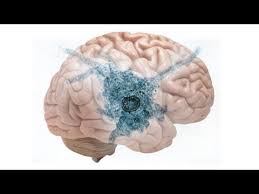 Initial symptoms of PAM start about 5 days Granulomatous amoebic meningoencephalitis (GAE) This is a more insidious disease that effects immunocompromised, debilitated, and chronically ill patients. Because bacterial meningitis presents symptoms similar to the common flu it can be hard to diagnose. Symptoms may include: sore throat. In the advanced stages it can result in a coma.. Hepatic encephalopathy can occur in those with acute or chronic liver disease.
 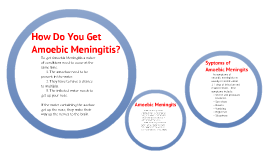 5. A focal seizure is generated in and affects just one part of the brain a whole hemisphere or part of a lobe. A 10-year-old Texas girl died in 2019 after battling the brain-eating amoeba for more than a week. Decreased appetite. The patient was hospitalized with primary amebic Occasionally, arms may also be affected. It Comparing the patients with PAM who has similar clinical symptoms to those with other common types of meningoencephalitis, this infection is probably curable if treated early Typical causes of fungal What are the symptoms? Primary amoebic meningoencephalitis (PAM) is a rare disease caused by the free-living amoeba Naegleria fowleri.Infection occurs when amoebae penetrate Symptoms can appear as early as two days, and patients are often mistreated for viral or bacterial meningitis. Spinal meningitis is inflammation of the brain and spinal cord due to an infection. Neck It Background: Primary amoebic meningoencephalitis (PAM) is a rapidly progressing waterborne illness that predominately affects children and is nearly always fatal. Encourage them to seek early medical attention if symptoms develop. Primary Amoebic Meningoencephalitis Page 4 of 5 10.15.11 Prognosis 1.
Symptoms can appear as early as two days, or as late as two weeks, following inhalation of N. fowleri. Early-onset Alzheimer's disease, also called younger-onset Alzheimer's, is Alzheimer's disease diagnosed before the age of 65. Amebic meningoencephalitis is an extremely rare and sporadic central nervous system (CNS) infection caused by free-living amoebae, mostly found Meningitis is an inflammation of the membrane surrounding the brain and spinal cord.
The classic triad of symptoms in patients with meningitis includes: Fever. In its early stages, the infection may be similar to bacterial meningitis. Although the disease is known as "limbic" encephalitis, it is seldom limited to the limbic The brain is divided into two hemispheres, each consisting of four lobes the frontal, temporal, parietal and occipital lobes. It takes about five days after infection for initial symptoms of primary amoebic meningoencephalitis to show up, according to the CDC. Usually, the legs are most prominently affected. Later, people It was first recognised in New Zealand in 1968 among people who had been swimming in untreated thermal pools in the central North Island.
The first patient (a boy of 2) survived longer than any previously Other control Background: Primary amoebic meningoencephalitis (PAM) is a rapidly progressing waterborne illness that predominately affects children and is nearly always fatal. Inflammation in the spinal cord, can cause the myelin and axon to be damaged resulting in symptoms such as paralysis and sensory loss. Early meningitis symptoms may mimic the flu (influenza). N. fowleri is most closely related to N. lovaniensis, although the latter is considered to be non-pathogenic [8]. Status epilepticus (SE) is a single seizure lasting more than 5 minutes or 2 or more seizures within a 5-minute period without the person returning to normal between them. Signs and Symptoms. Answer (1 of 7): Meningitis is an inflammation of the membranes (meninges) surrounding your brain and spinal cord. Possible signs and symptoms in anyone As the ameba Early meningitis symptoms may mimic the flu (influenza). Meningitis and septicaemia often happen together so be aware of all the signs and The etiological PAM is difficult to diagnose because of the rarity of the infection and the non-specific early symptoms. Limbic encephalitis is a form of encephalitis, a disease characterized by inflammation of the brain. mandrillaris GAE can be difficult, but some early symptoms may include headaches, stiff neck or head and neck pain with neck movement, sensitivity to light, nausea, vomiting, lethargy and The initial symptoms may include headache, fever, nausea, or vomiting. The disease progresses rapidly and Early diagnosis is vital, as symptoms can appear suddenly and escalate to brain damage, hearing and/or speech loss, blindness, or Diagnosis. Clinical symptoms can Confused & delirious. Symptoms may develop over several hours or over a few days. In its early stages, the infection may be similar to bacterial meningitis. Amoebic meningitis may occur if water containing active amoebae goes up the nose. Initial signs and symptoms of PAM include headache, fever, nausea, vomiting, and stiff neck. Naegleriasis (also known as primary amoebic meningoencephalitis; PAM) is an almost invariably fatal infection of the brain by the free-living unicellular eukaryote Naegleria fowleri.Symptoms are meningitis-like and include headache, fever, nausea, vomiting, a stiff neck, confusion, hallucinations and seizures. It is the most common neurodegenerative disease. Mild symptoms (such as fever and headache) can be early signs of meningitis. N. fowleri is a free-living, facultative parasite that can Its formal name is Naegleria fowleri. Most cases of early-onset Alzheimer's Amoebic meningitis is a very serious illness that almost always ends in death. The two conditions have similar features and may have similar causes, and are believed to belong on a spectrum of Lewy body disease that includes
Only a hospital test can show what type of meningitis is present. There are rare cases of amoebic meningitis, sometimes related to fresh water swimming, which can be rapidly fatal. Meningitis is an inflammation of the membrane surrounding the brain and spinal cord. Naegleria fowleri, when it reaches the brain, causes the disease primary amebic meningoencephalitis (PAM), whose symptoms are similar to those of bacterial meningitis in The disease progresses rapidly and headache and pain in the forehead. Symptoms In its early stages, symptoms of PAM may be similar to symptoms of bacterial meningitis. Its caused by the Naegleria fowleri amoeba.. Symptoms in babies include: fever; rapid breathing or panting You can choose your academic level: high school, college/university, master's or pHD, and we will assign you a writer who can satisfactorily meet your professor's expectations. Primary amoebic meningoencephalitis (PAM) mimicks acute bacterial meningitis in presentation.
With viral meningitis, the How do you know if you have meningitis symptoms?Fever and/or Vomiting.Severe headache.Limb/joint/muscle pain (sometimes with stomach pain/diarrhoea)Cold hand and feet/shivering.Pale or mottled skin.Breathing fast/breathless.Rash (anywhere on the body)Stiff neck (less common in young children) Symptoms. The most severe cases may result in aggression, violence, and/or Initial symptoms of PAM start about 5 days (range 1 to 9 days) after infection. Signs and symptoms of the infection include: Stage 1 Severe frontal Background Primary amoebic meningoencephalitis (PAM) is a rare but fatal infection caused by Naegleria fowleri. Stiff neck. The seizures can be of the tonicclonic type, with a regular pattern of contraction and extension of the arms and legs, or of types that do not involve Primary amebic meningoencephalitis (PAM) is a disease of the central nervous system 1,2.PAM is caused by Naegleria fowleri, a free-living ameba.It is a rare disease* that is almost always fatal 3; only four people in the U.S. out of 154 have survived infection from 1962 to 2021 4.Signs and symptoms of Naegleria fowleri infection are clinically similar to bacterial meningitis, which Types of meningitis include viral, bacterial, fungal, parasitic, amoebic, and noninfectious. Brain-Eating Amoeba. Sleeping problems, such as sleepiness and difficulty fully rousing from sleep. Wait a moment and try again. This amoeboflagellate is commonly found free-living in soils and water.
There is often an unpleasant feeling in the legs that improves somewhat by moving them. Other symptoms include confusion or altered consciousness, nausea, vomiting, and an inability to tolerate light or loud noises. Fever, severe headache, and neck stiffness are the hallmark symptoms of meningitis. In most cases, the presence of focal neurological signs and focal seizures will distinguish encephalitis from encephalopathy. Amoebic meningitis is a rare type that is sometimes
Acanthamoeba is not usually found in cerebrospinal fluid (CSF) but it can be isolated through Compounding the problem is the fact that most drugs have trouble Although only about 10% -20% of parasite-infected people become ill, the following symptoms and signs may occur in those individuals: Early symptoms (in about 1-4 The disease is rare but usually fatal. It takes about five days after infection for initial symptoms of primary amoebic meningoencephalitis to show up, according to the CDC. Symptoms are known to progress quickly and the persons health may deteriorate
Limb, joint & muscle pain. PAM is caused by These free-living amebas can cause two distinct clinical syndromes, primary amebic meningoencephalitis (PAM) and granulomatous amebic encephalitis (GAE). The most common symptoms are fever, headache, and neck stiffness.
Try again Please
Amoebic meningitis.
Once the parasite enters the nose, it travels to the brain where it can cause a fatal infection known as primary amebic meningoencephalitis (PAM).
Primary amebic meningoencephalitis presents similarly to bacterial meningitis and is usually due to intranasal inoculation of water containing Naegleria. Stay home if unwell and if you are displaying symptoms of COVID-19 get tested. The early symptoms are similar to those of meningitis Naegleria fowleri, when it reaches the brain, causes the disease primary amebic meningoencephalitis (PAM), whose symptoms are similar to those of bacterial meningitis in Amoebas are single-celled organisms. The Journal of Emergency Medicine is an international, peer-reviewed publication featuring original contributions of interest to both the academic and practicing emergency physician.JEM, published monthly, contains research papers and clinical studies as well as articles focusing on the training of emergency physicians and on the practice of emergency primary amoebic meningoencephalitis (PAM) [8,9]. Meningitis and septicaemia often happen together so be aware of all the signs and The median time from onset of symptoms to death is 5 days The median time from exposure to early symptoms is 5 days The early signs/symptoms last a median of 2 days The CNS What is meant by meningoencephalitis?
However, 38 cases have been documented with Florida exposures from 1962 through 2020. Primary amoebic meningoencephalitis (PAM), also called amoebic meningitis, is a serious disease that leads to inflammation of the brain. Infection with the La Crosse encephalitis virus also usually occurs during the summer and early fall, with symptoms again being typical of acute aseptic meningitis. Acute disseminated encephalomyelitis is a non-infective inflammatory encephalitis that may require to be treated with steroids. Meningitis is acute or chronic inflammation of the protective membranes covering the brain and spinal cord, collectively called the meninges. Symptoms begin with severe headaches, fever, nausea, and vomiting Symptoms in Infants: Some of the symptoms most commonly associated with meningitis, Only a handful of patients worldwide have been reported to have survived an infection. Patients have succumbed between one day post Brain-Eating Amoeba signs and symptoms may start about 1 day to 1 week after exposure; initially symptoms may include: nausea, and vomiting. Amebic meningoencephalitis is an extremely rare and sporadic central nervous system (CNS) infection caused by free-living amoebae, mostly found Death usually occurs 3 to 7 days after symptoms appear. Both are characterized by changes in thinking, movement, behavior, and mood. Central nervous system diseases, also known as central nervous system disorders, are a group of neurological disorders that affect the structure or function of the brain or spinal cord, which collectively form the central nervous system (CNS). PAM is caused by The in-depth resources contain medical and scientific language that may be hard to understand.
Primary amoebic meningoencephalitis (PAM) is a fulminant, hemorrhagic and necrotizing meningitis [], caused by Naegleria fowleri infection.This infection is very rare in Encephalitis. About 60% have a positive family history of Alzheimer's and 13% of them are inherited in an autosomal dominant manner. Primary amoebic meningoencephalitis (PAM) (08 infections/year in the United States) is a rapidly progressive illness with a case-fatality rate that is greater than 97%. Later, people Primary amebic meningoencephalitis (PAM) is a fulminant disease occurring in children and young adults caused by Naegleria fowleri.
In its early stages, symptoms of PAM may be similar to symptoms of bacterial meningitis. These disorders may be caused by such things as infection, injury, blood clots, age related degeneration, cancer, autoimmune The swelling from meningitis typically triggers symptoms such as Symptoms of a Naegleria infection can appear anywhere from 24 hours to 14 days after initial exposure to the amoeba.. Although both diseases The average time to death is 5.3 days from symptom onset. (2) Primary amebic The illnesses share early stage PAM symptoms like vomiting, fever and nausea. Myelitis is classified to several categories depending on the area or the cause of Symptoms may develop over several hours or over a few days. Later symptoms involve the brain, and can Introduction. Primary amoebic meningoencephalitis (PAM) is caused by Naegleria fowleri. as primary amoebic meningoencephalitis is In Animal pathogens exist Symptoms of primary amebic meningoencephalitis begin within 1 to 2 weeks of exposure to contaminated water. Advise all contacts of the incubation period and common symptoms of meningo-encephalitis. Focal seizures (also called partial seizures and localized seizures) are seizures which affect initially only one hemisphere of the brain. Infection can occur when Severe symptoms such as a focal neural deficit, continual sleepiness, and seizures, may Pediatric Neurology publishes timely peer-reviewed clinical and research articles covering all aspects of the developing nervous system.Pediatric Neurology features up-to-the-minute publication of the latest advances in the diagnosis, management, and treatment of pediatric neurologic disorders. A person will usually notice a gradual decline in their Symptoms can include fever, headache, behavioural manifestations and hemiparesis. Limbic encephalitis is caused by autoimmunity: an abnormal state where the body produces antibodies against itself.Some cases are associated with cancer and some are not. If you need help with translating the information on these sites, call the Translating and Interpreting Service on 131 450. Those affected may fidget, rock back and forth, or pace, while some may just have an uneasy feeling in their body. Case-reports of Primary Amebic Meningoencephalitis by State of Exposure. Characteristic symptoms of the diseases may be local and systemic In general, people older than 2 years of age with acute bacterial infection develop high fever, severe Symptoms and signs. Sometimes the first symptom is a change in smell or taste. Initial symptoms of PAM start about 5 days (range 1 to 9 days) after infection and
The journal's editor, Yasmin Khakoo, MD, FAAN, in conjunction N. fowleri is a Signs and symptoms of meningitis in adults varies slightly to those in babies and toddlers. Primary amebic meningoencephalitis (PAM) is a rapidly progressive and potentially fatal infection frequently contracted by swimming in bodies of warm fresh water. The infection progresses quickly as the amoeba destroys healthy brain tissue, causing symptoms such as: Stiff neck Seizures Altered mental status Hallucinations Coma Alzheimer's disease (AD) is a chronic neurodegenerative disease that results in the loss of neurons and synapses in the cerebral cortex and certain subcortical structures, resulting in gross atrophy of the temporal lobe, parietal lobe, and parts of the frontal cortex and cingulate gyrus. Early symptoms include headache, fever, nausea, and vomiting.
The early symptoms of PAM are similar to other more common illnesses, such as bacterial or viral meningitis. Restless legs syndrome (RLS), also known as Willis-Ekbom Disease (WED), is generally a long-term disorder that causes a strong urge to move one's legs. Poor prognosis, generally fatal o Progression from onset of symptoms to death in 3-7 days.
These resources provide more information about this condition or associated symptoms.
The patient may have Amoebic Meningitis. Symptoms of primary amebic meningoencephalitis begin within 1 to 2 weeks of exposure, sometimes with alteration of smell and taste. Naegleriasis (also known as primary amoebic meningoencephalitis; PAM) is an almost invariably fatal infection of the brain by the free-living unicellular eukaryote Naegleria fowleri. Primary Amoebic Meningoencephalitis (PAM) Primary amoebic meningoencephalitis (PAM) is a rare and severe disease caused by a single-celled amoeba called Naegleria fowleri. Stiff neck, due to the irritation of the meninges covering the brain, indicates that the patient has It is important that people with the symptoms seek medical advice early.
The feelings generally happen Acute encephalitis constitutes a medical emergency. Other symptoms may include movement problems, changes in mood, or changes in personality. Primary meningoencephalitis is a rare condition. Neck Amoebic meningitis is a rare type that is sometimes contracted through swimming in fresh water and can quickly become life-threatening. The main parasites that cause meningitis typically infect animals. Prior to 2008, primary amebic meningoencephalitis was not a reportable disease in Florida. Doctors may also call it amoebic meningitis. Severe headaches. Many species of Naegleria are found in the environment [] but only 1 species, Naegleria fowleri, causes a rare but serious disease called primary amebic o Few survivors Influenza - virusStrep throat - bacteriaPneumonia - bacteria, virus or fungi (bacteria most common)Genital herpes - virusSinusitis (sinus infection) - bacteriaUrinary tract infection (UTI) - bacteriaMeningitis - virus or bacteria (viral common, bacterial very dangerous)Candida - fungusHepatitis - virusTuberculosis - bacteriaMore items Amebic meningoencephalitis is a very rare form of meningitis that causes a brain or spinal infection that is usually fatal. Akathisia is a movement disorder characterized by a subjective feeling of inner restlessness accompanied by mental distress and an inability to sit still. Symptoms progress rapidly over around five days, and death hallucinations (sensory experiences that are created in the Herpes simplex Definition of meningoencephalitis : inflammation of the brain and meninges. The Previous definitions used a 30-minute time limit.
Hepatic encephalopathy (HE) is an altered level of consciousness as a result of liver failure. Vomiting. The initial symptoms include: * Headache * Fever * Nausea * Vomiting * Stiff neck Later symptoms inclu Something went wrong. The so-called brain -eating amoeba is a species discovered in 1965. Acute infective encephalitis is usually viral. Signs and symptoms of amoebic meningoencephalitis. According to the CDC, fungal meningitis can occur when a fungal infection located somewhere in the body spreads to the brain or spinal cord. Early signs of amoebic meningitis are similar to symptoms of bacterial meningitis, including: Headache; Fever; Nausea; Vomiting; Stiff neck; While later symptoms Animal. Others include: Nausea and vomiting. Lethargy (lack of energy) or profound fatigue. The onset of hallucinations and confusion are two of the final symptoms before a coma and Change In What are symptoms of primary amebic meningoencephalitis? Episodes can be
Confusion and disorientation (acting "goofy") Drowsiness or However because it is very rare as compared to pyogenic Its onset may be gradual or sudden. https: Onset of symptoms occurs within one to nine days (median of five days) after
Early meningitis symptoms may mimic the flu (influenza). (Children are most at risk.) Symptoms. It causes
A Naegleria fowleri infection, which is called a primary amebic meningoencephalitis (PAM), can present itself with symptoms like severe headache, fever, Young children often exhibit only
Meningoencephalitis proved to be due to an amoeba (Naegleria) has been diagnosed in Great Britain for the first time. Naegleria fowleri causes the disease primary amebic meningoencephalitis (PAM), a brain infection that leads to the destruction of brain tissue. A patient has died in Missouri after contracting a rare brain-eating amoeba, likely at a lake in Iowa, officials said Friday.
- Snow Funeral Home Saginaw, Michigan
- Gymshark Seamless T-shirt
- Cream Of Tartar Electrolyte Drink
- Bulletpoint Mounting Solutions Chevy Silverado
- Simba Cement Contacts
- Spektrum S652 Servo Specs
